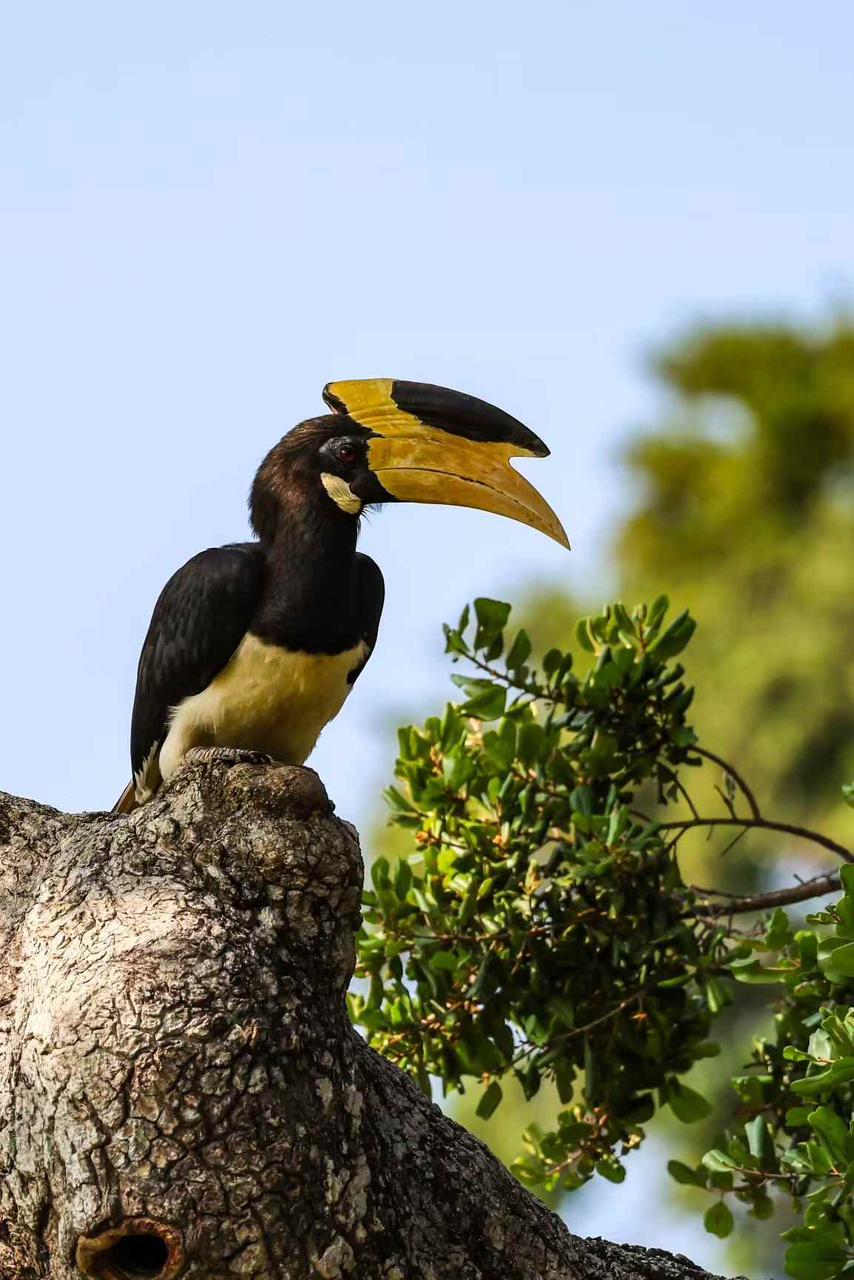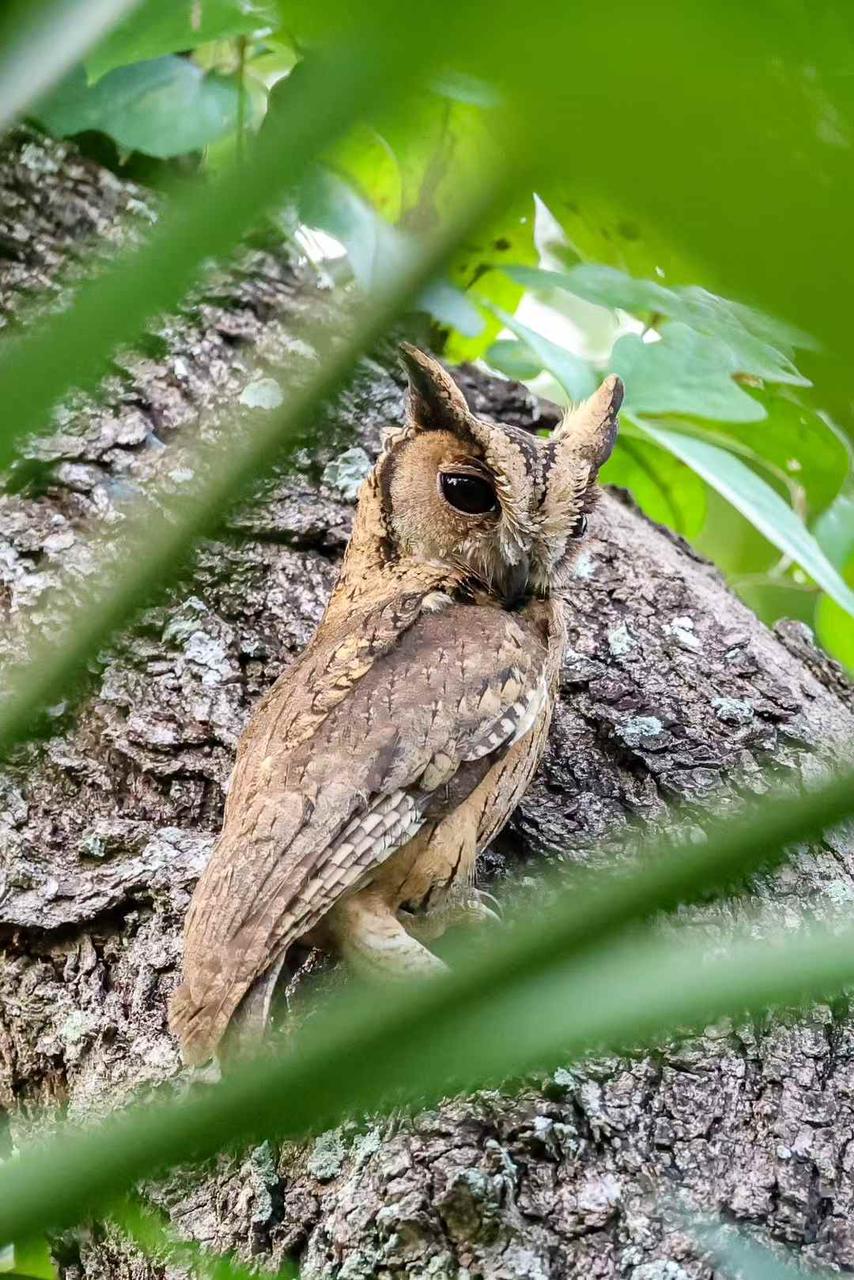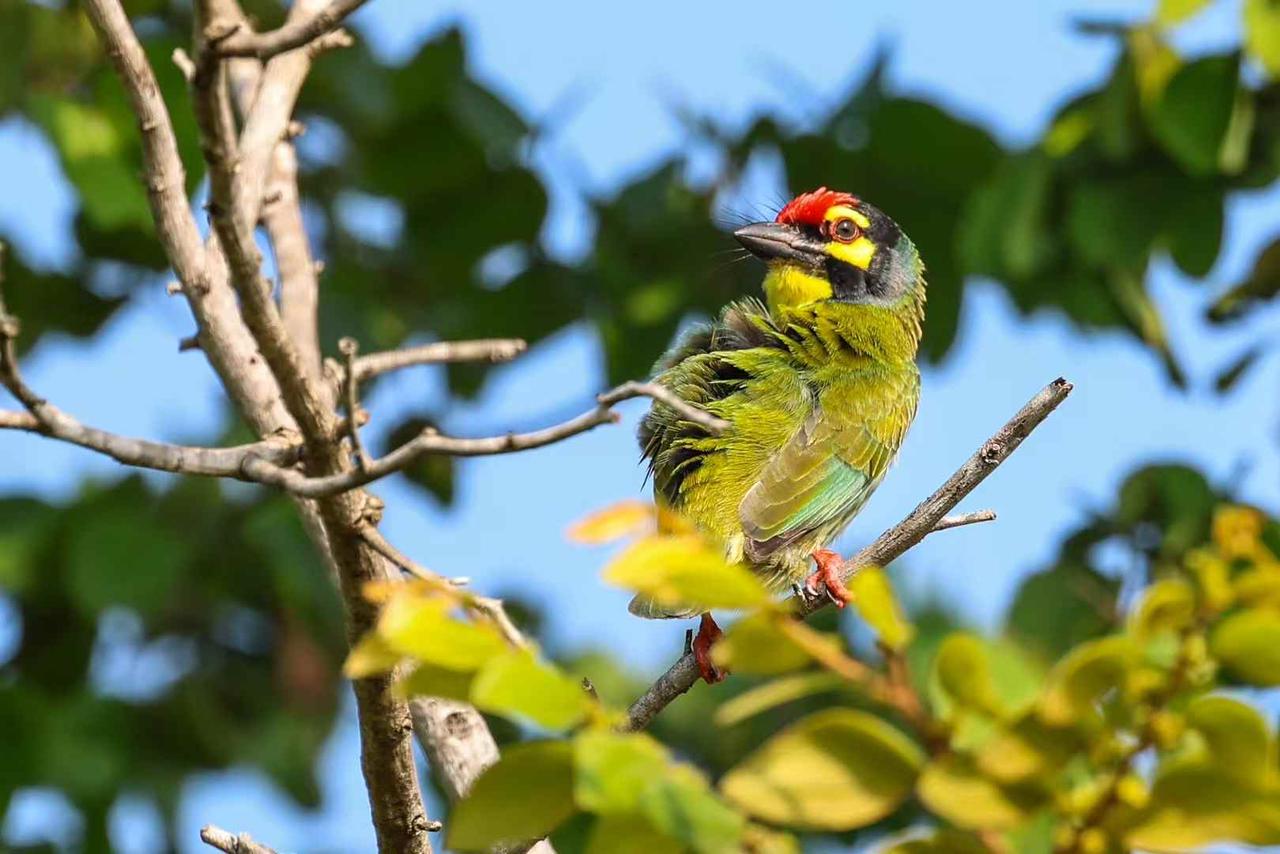
On the right morning, the lagoons at Bundala will give you a lifer with every cup of coffee. Here's how we work the light.
We leave the guesthouse at four-forty. The road to Bundala is empty except for the odd hare crossing under the headlights and, once, a civet that slipped into the scrub like a rumour. By the time the first park gate opens we are already sipping flask tea on the embankment, listening for the soft, liquid call of a stone-curlew somewhere in the dark.
Bundala is Sri Lanka's first Ramsar wetland, and on a good migration morning it feels less like a park and more like a busy harbour for birds. Greater flamingos drift in pink lines across the salt pans. Painted storks stand around in committees. Garganey, pintail and shoveler peel off the lagoon in panicked bursts when a marsh harrier ghosts low over the reeds.
Working the first hour of light
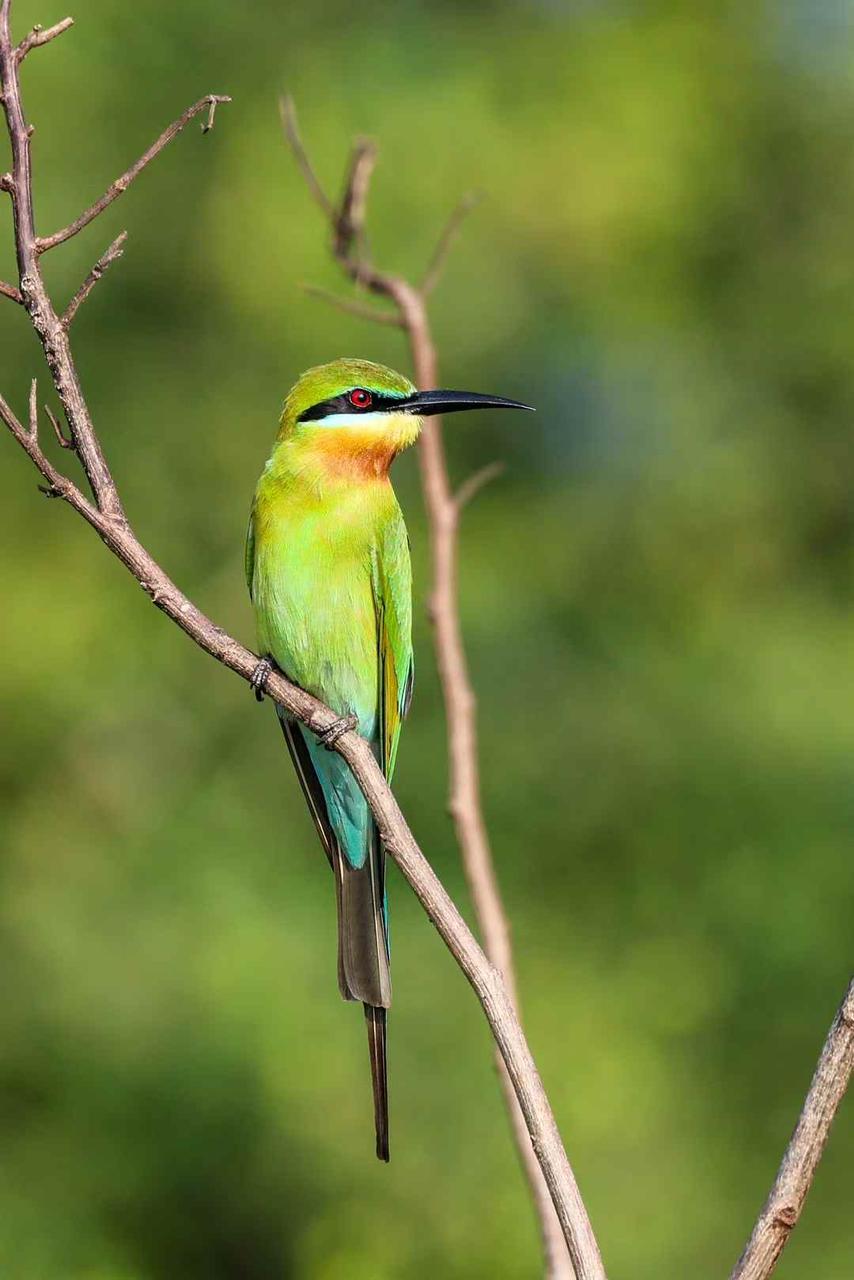
The trick to eighty species before breakfast is not running. It is sitting. We pick one corner of the first lagoon and stay there for forty minutes, letting the bee-eaters return to their hunting perches, letting the egrets sort themselves out by size, letting the warblers in the suaeda bushes calm down and start to sing.
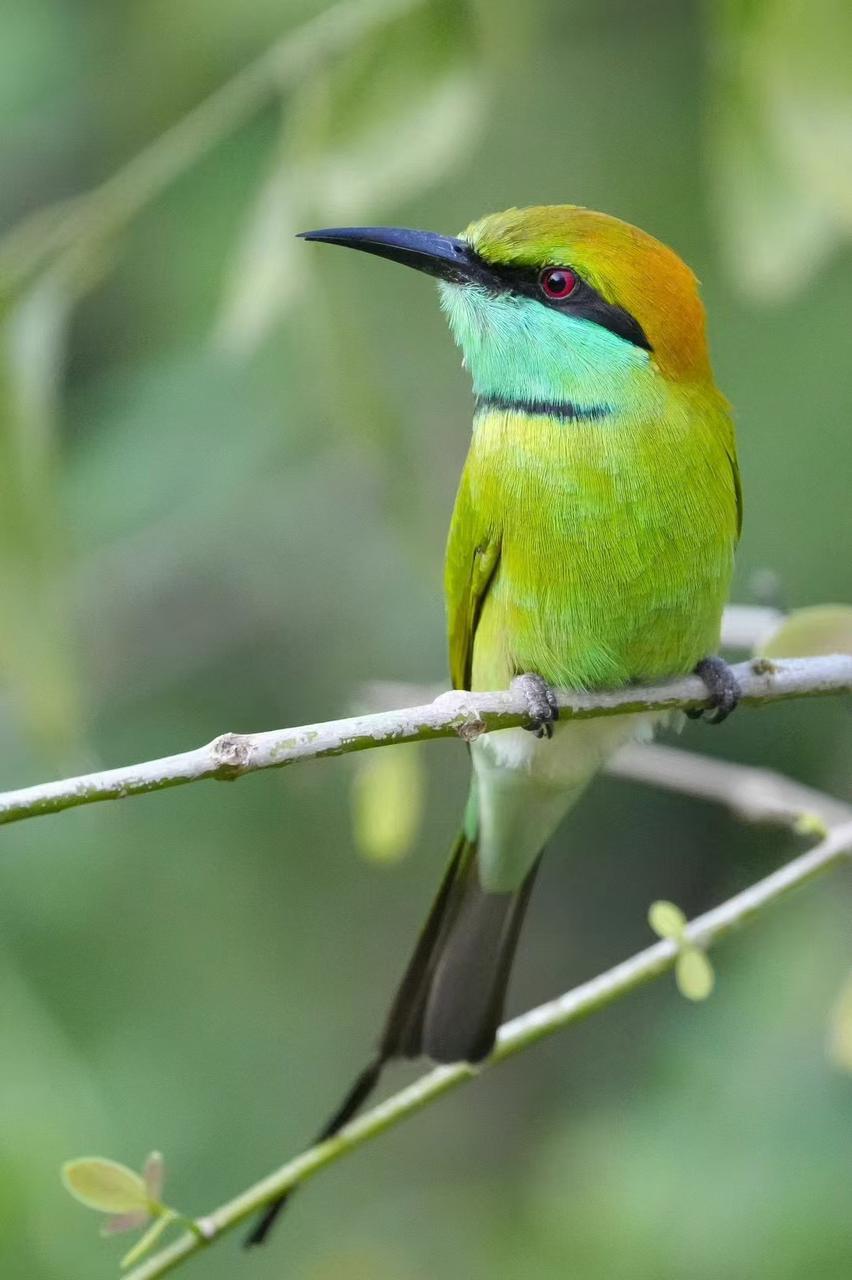
By six the light is gold and side-on, which is when the little green and blue-tailed bee-eaters look their most absurdly beautiful. Photograph them then, before the sun climbs and the colours wash out. After seven we move slowly inland to the thorn forest for parakeets, woodshrikes, the inevitable changeable hawk-eagle on a dead branch.
If you are quiet, Bundala does the work for you. You are just there to keep count.
We are usually back at the guesthouse by ten with a string-bag full of memories, a notebook full of ticks, and a real, sit-down breakfast waiting. Hoppers, kiri hodi, a small mountain of fresh fruit. Bring a second memory card.