
Notes from the field.
Written between safaris, in the shade of a kumbuk tree, with a notebook on one knee and binoculars on the other.
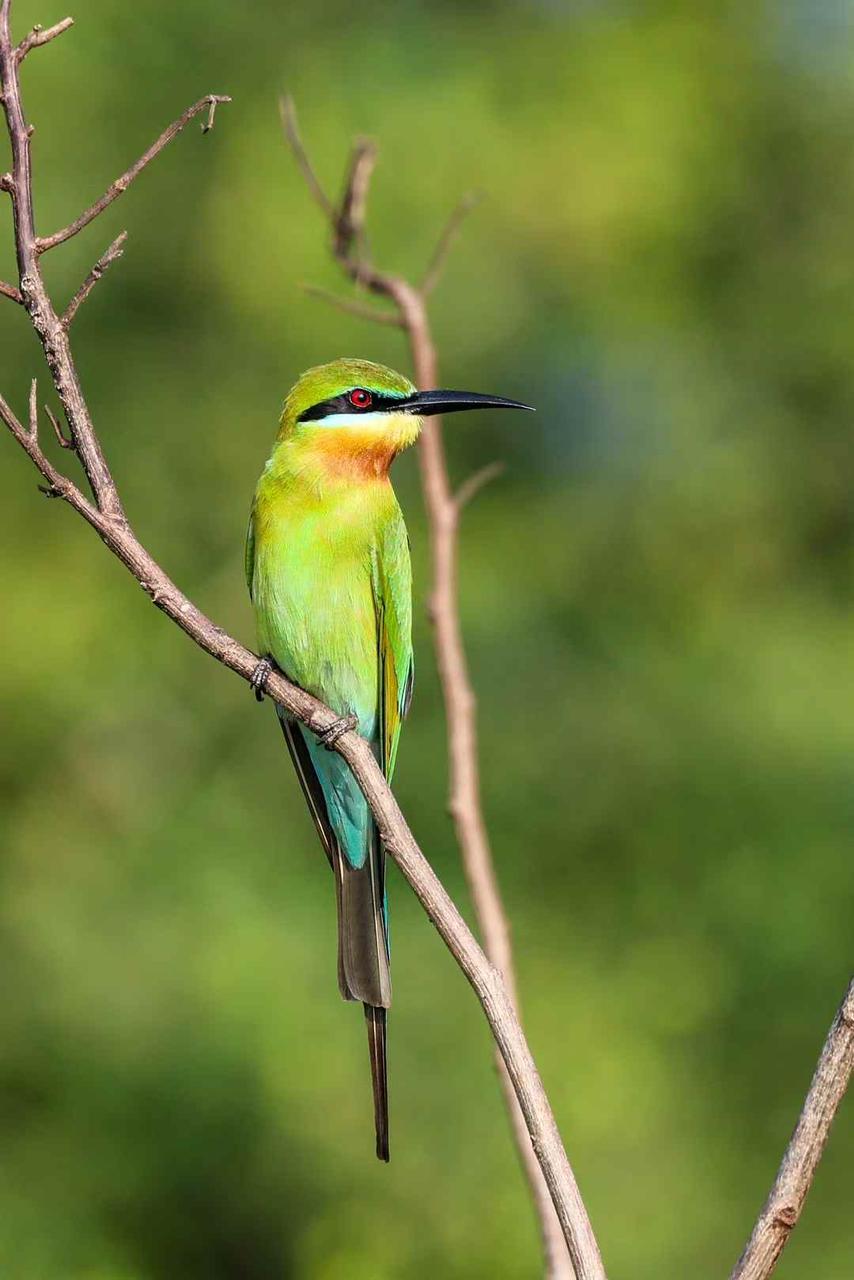
Eighty species before breakfast: a Bundala dawn
On the right morning, the lagoons at Bundala will give you a lifer with every cup of coffee. Here's how we work the light.
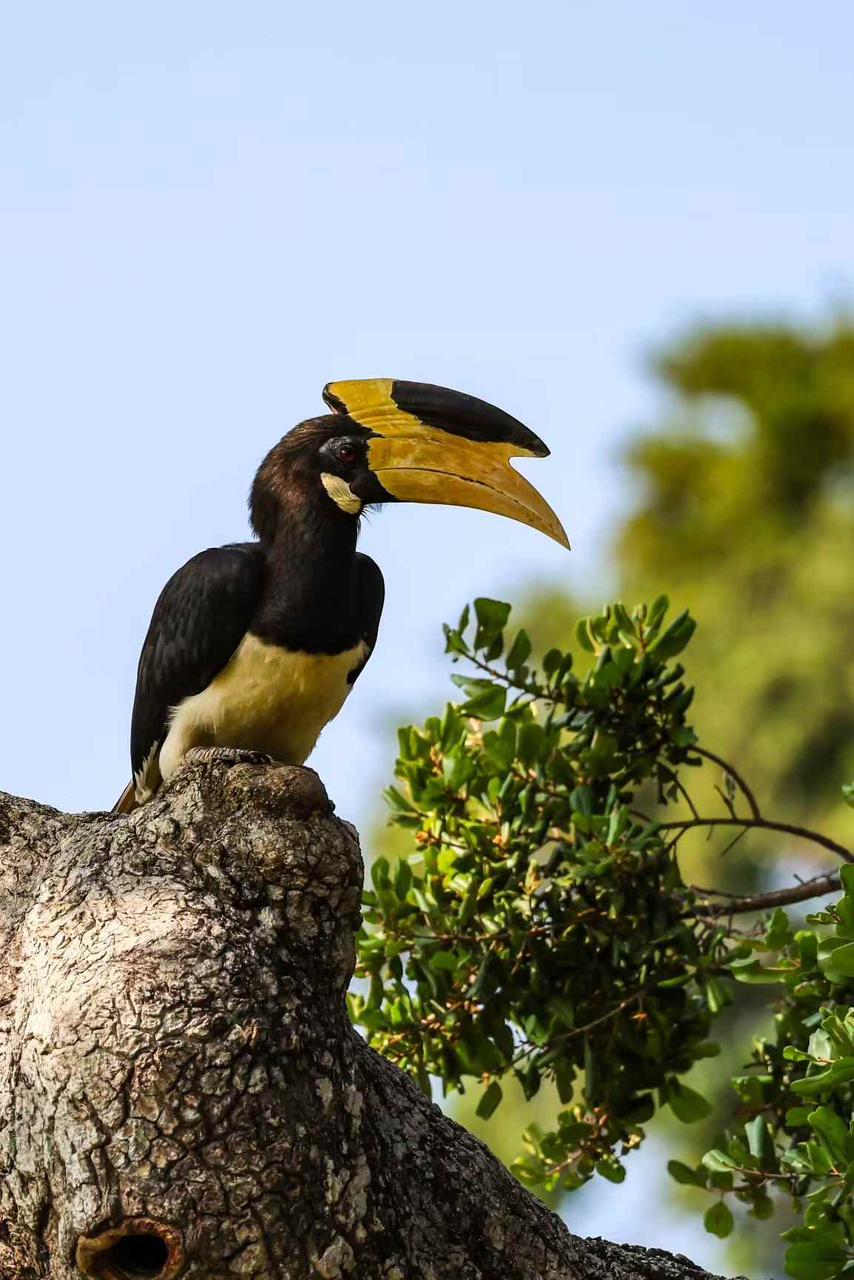
Meeting the Malabar pied hornbill in Yala's old trees
Yala's leopards get the headlines, but the block-three hornbills are the park's quiet, prehistoric soul.
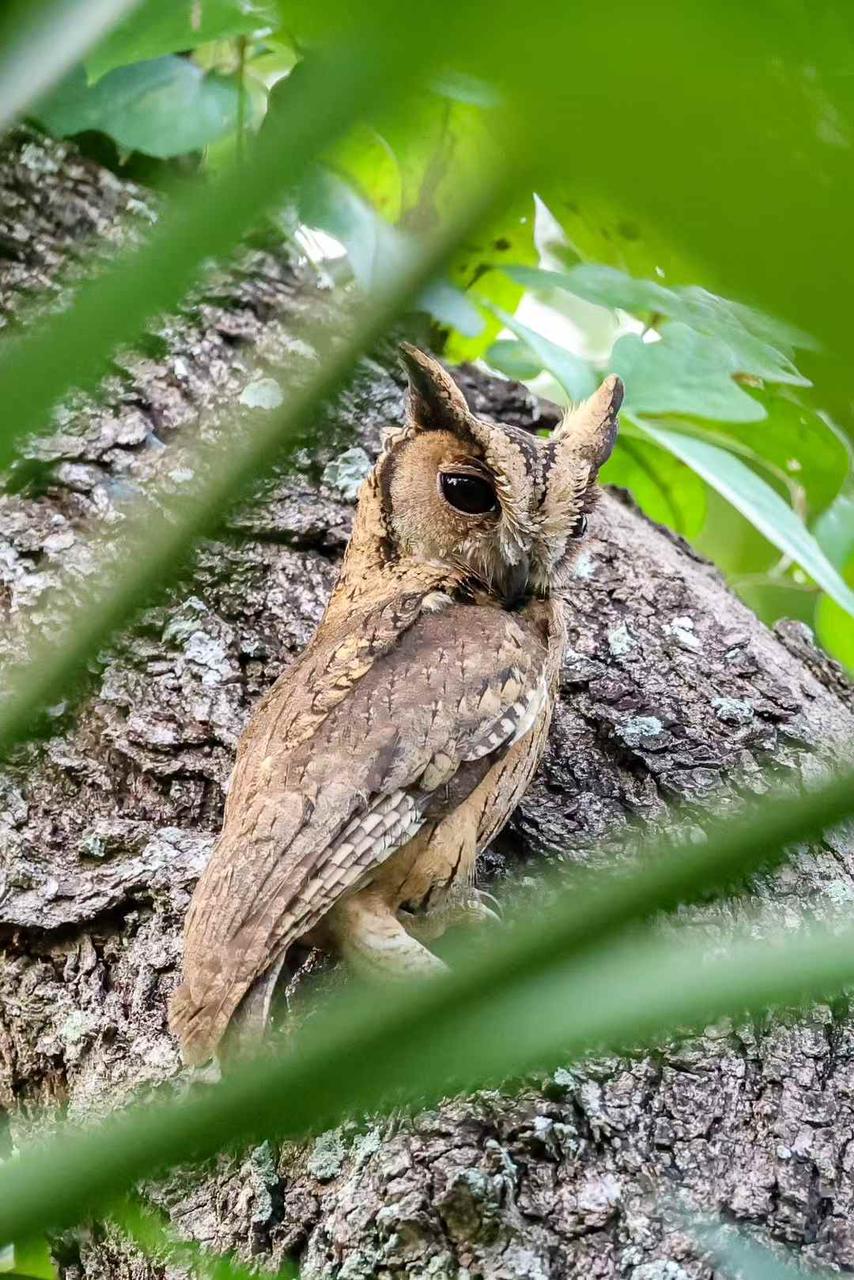
Owls of the southern dry zone: scops, hawk-owl and jungle owlet
Three small owls share the same Tissamaharama gardens. Once you learn their calls you start hearing them everywhere.
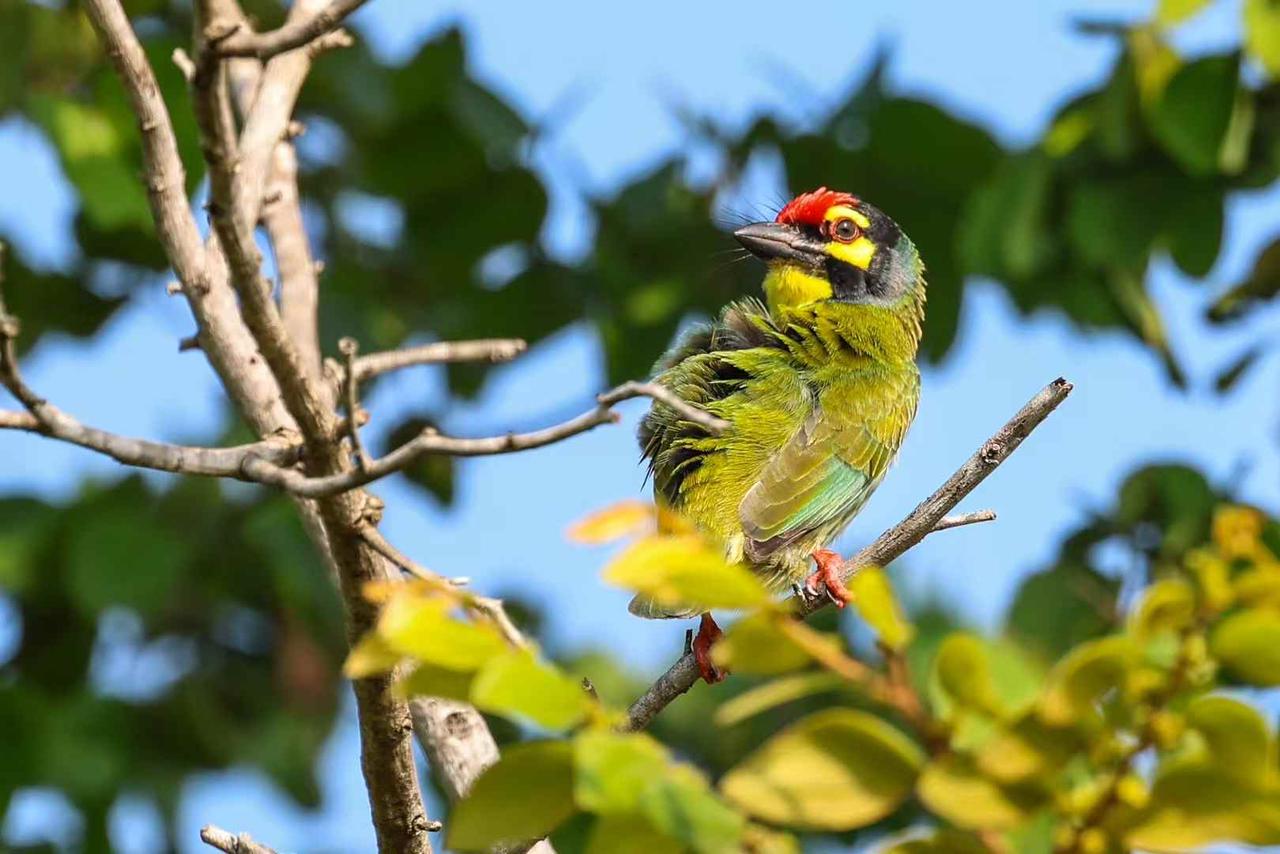
The coppersmith barbet — Tissa's loudest neighbour
Tonk, tonk, tonk. If you have spent an afternoon in Tissamaharama, you have heard this bird. Now meet him properly.
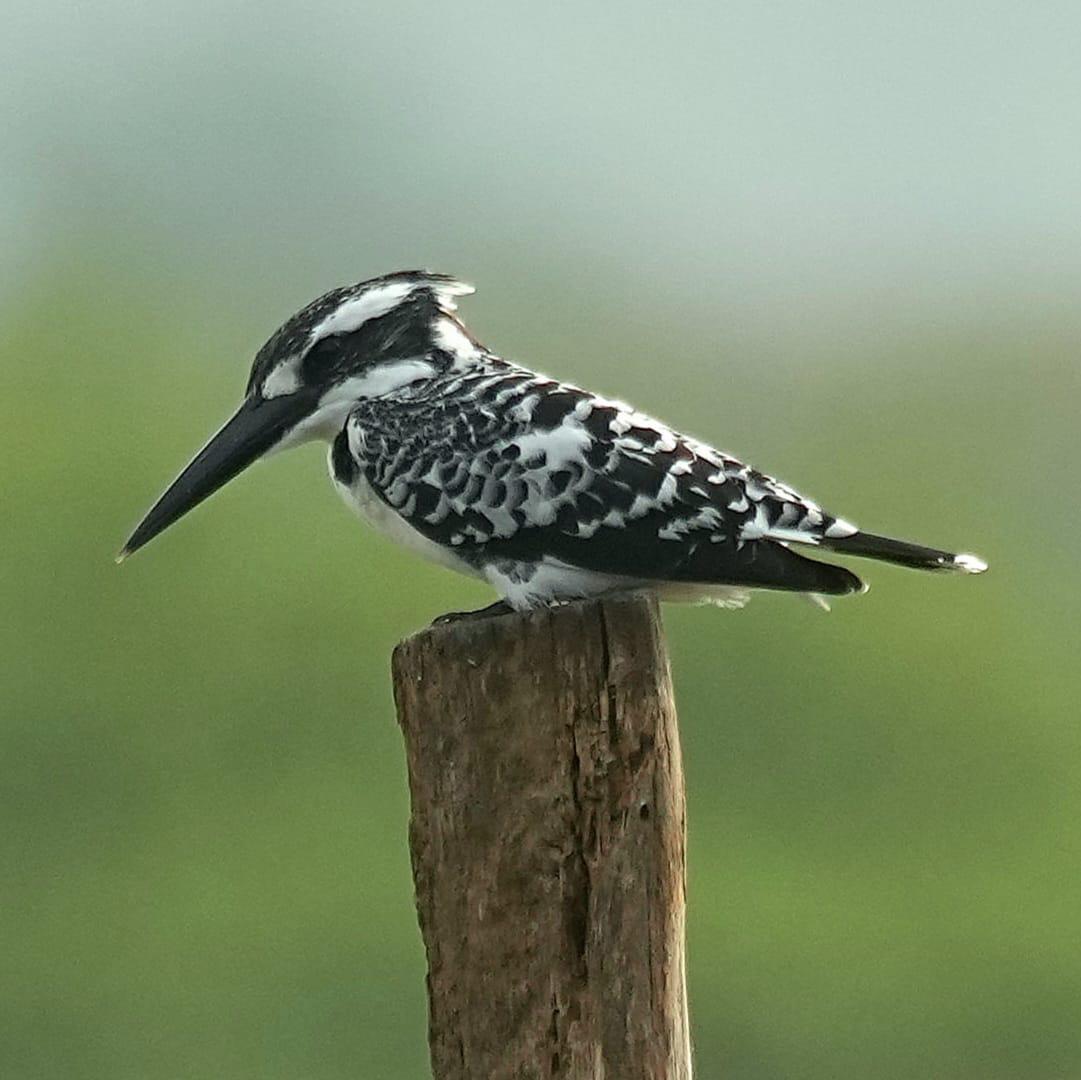
Kingfishers of the wetlands: pied, white-throated and common
Three kingfishers, three completely different hunting strategies, all within a short jeep ride of Tissa lake.
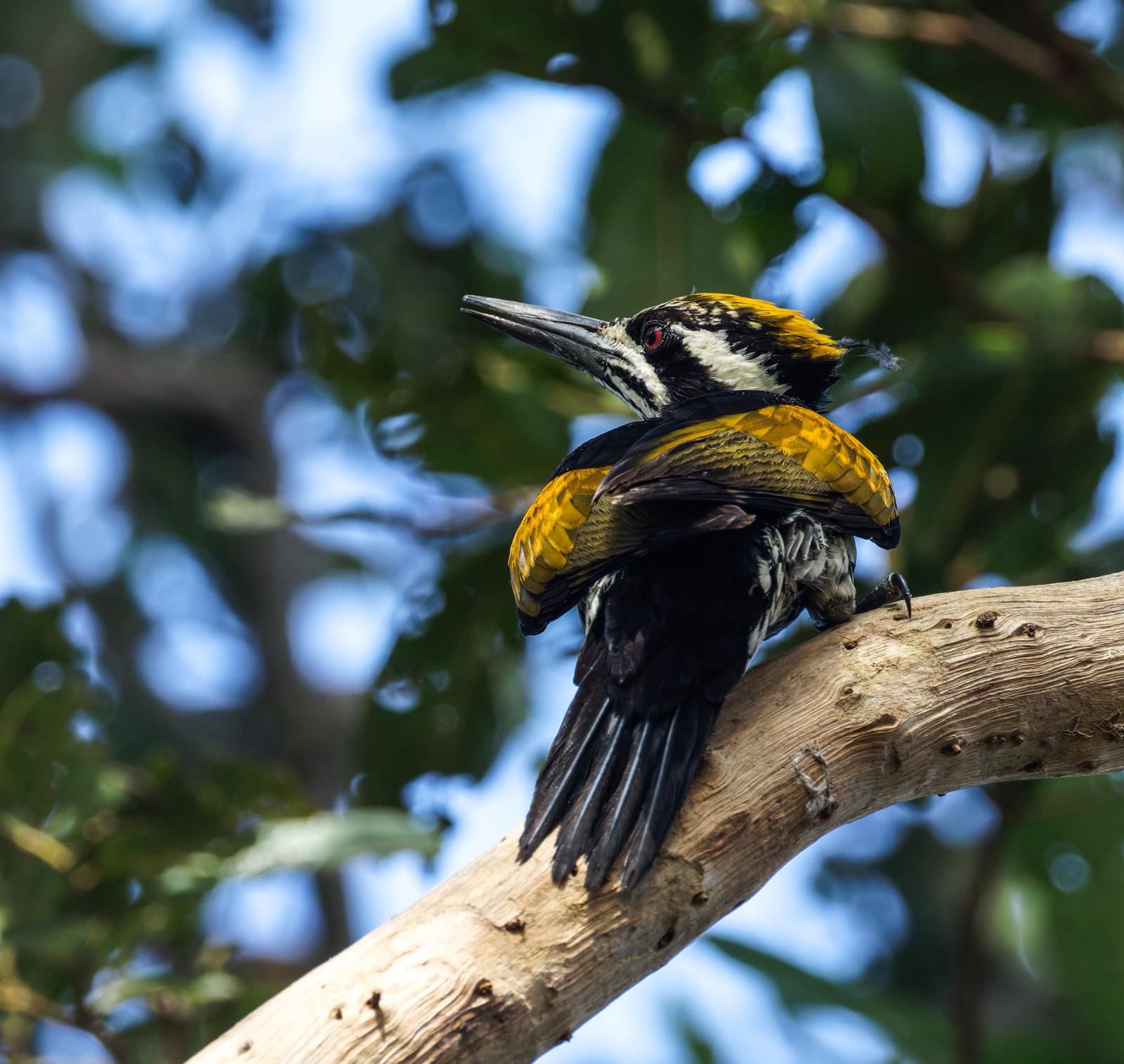
Reading the flameback: woodpeckers of the lowland forest
Five woodpecker species share the forest around Tissa. The black-rumped flameback is the loud one — but he is hiding something.
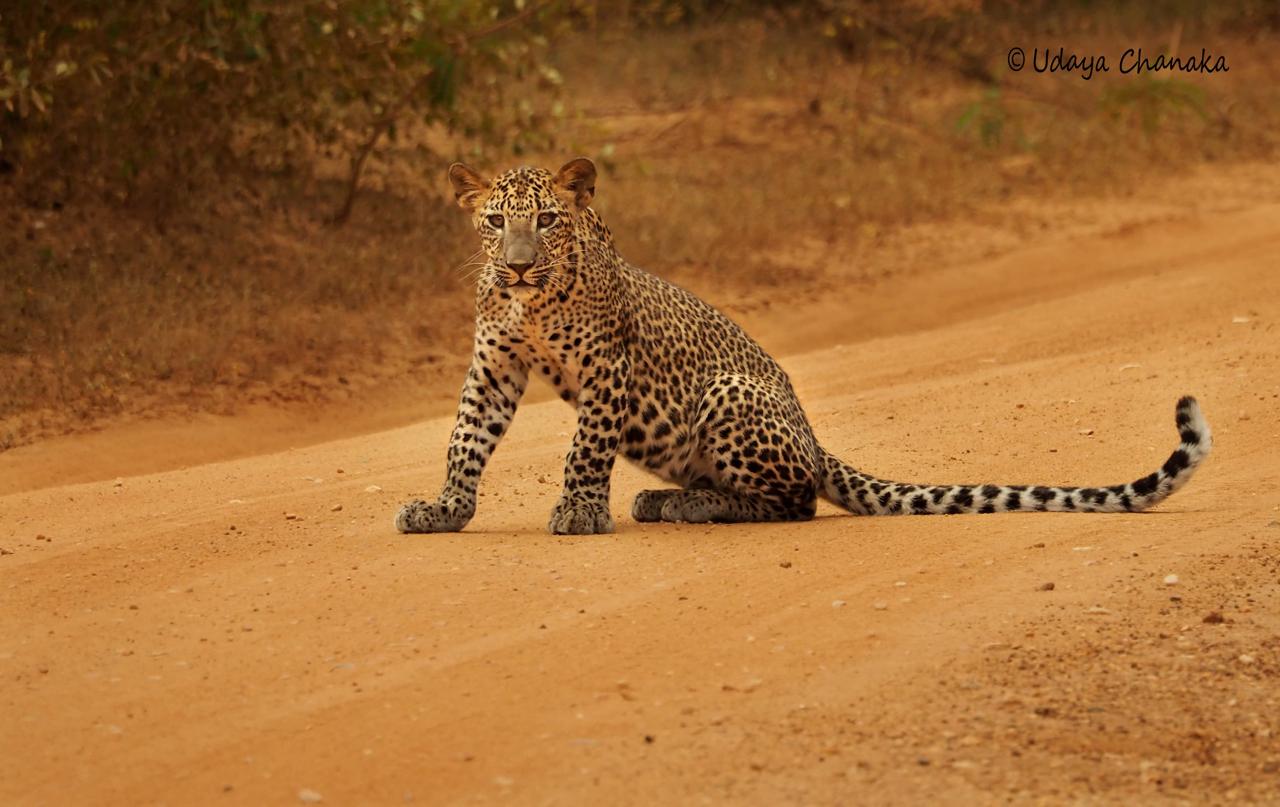
Tracking Yala's leopards: how a sit-and-wait morning works
Yala has the densest leopard population on earth. Finding one is still mostly about knowing where to stop the jeep — and then not moving it.
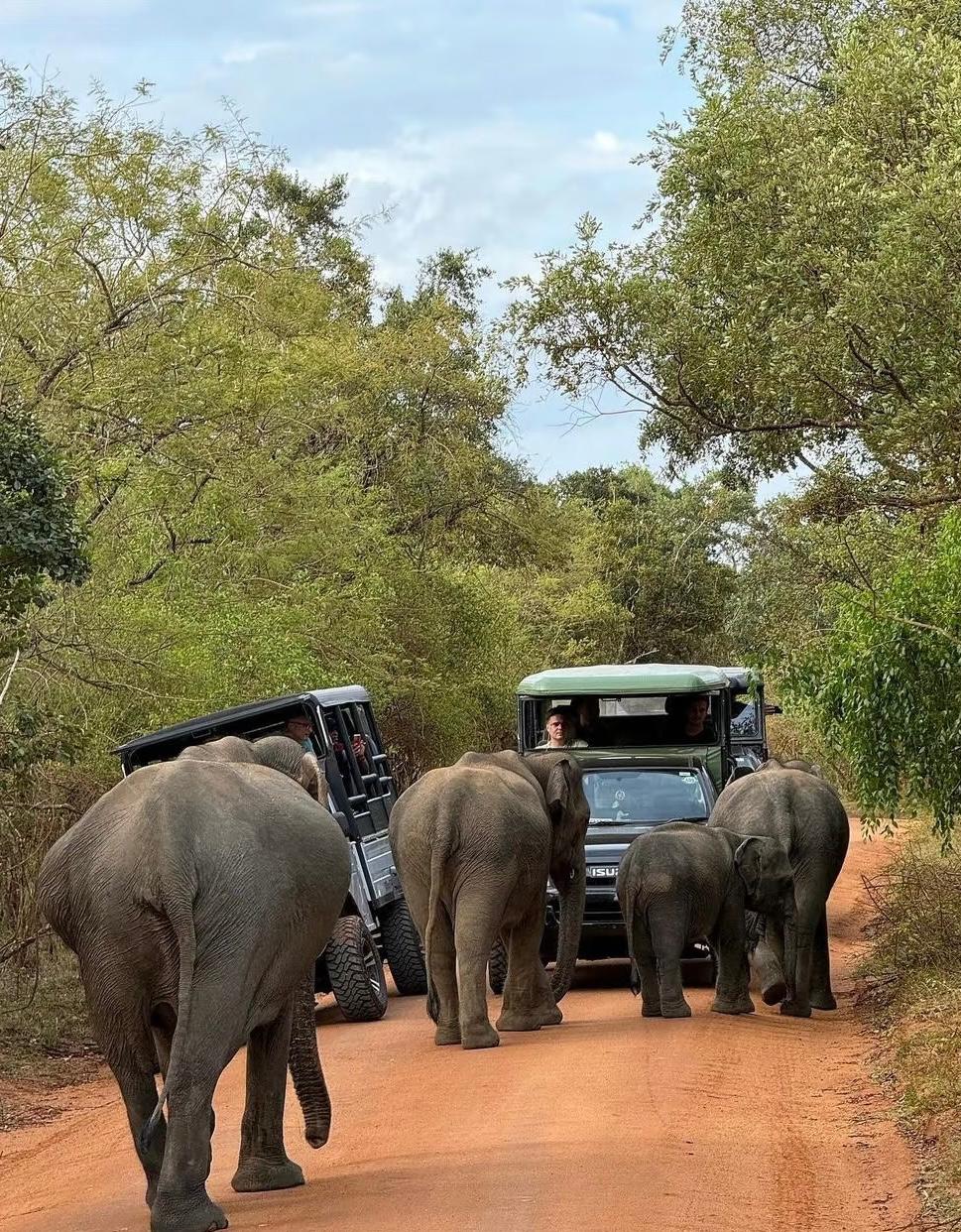
Living with elephants: a respectful jeep encounter
An elephant crossing the safari track at three metres is not a threat — if you understand the body language and keep the engine off.
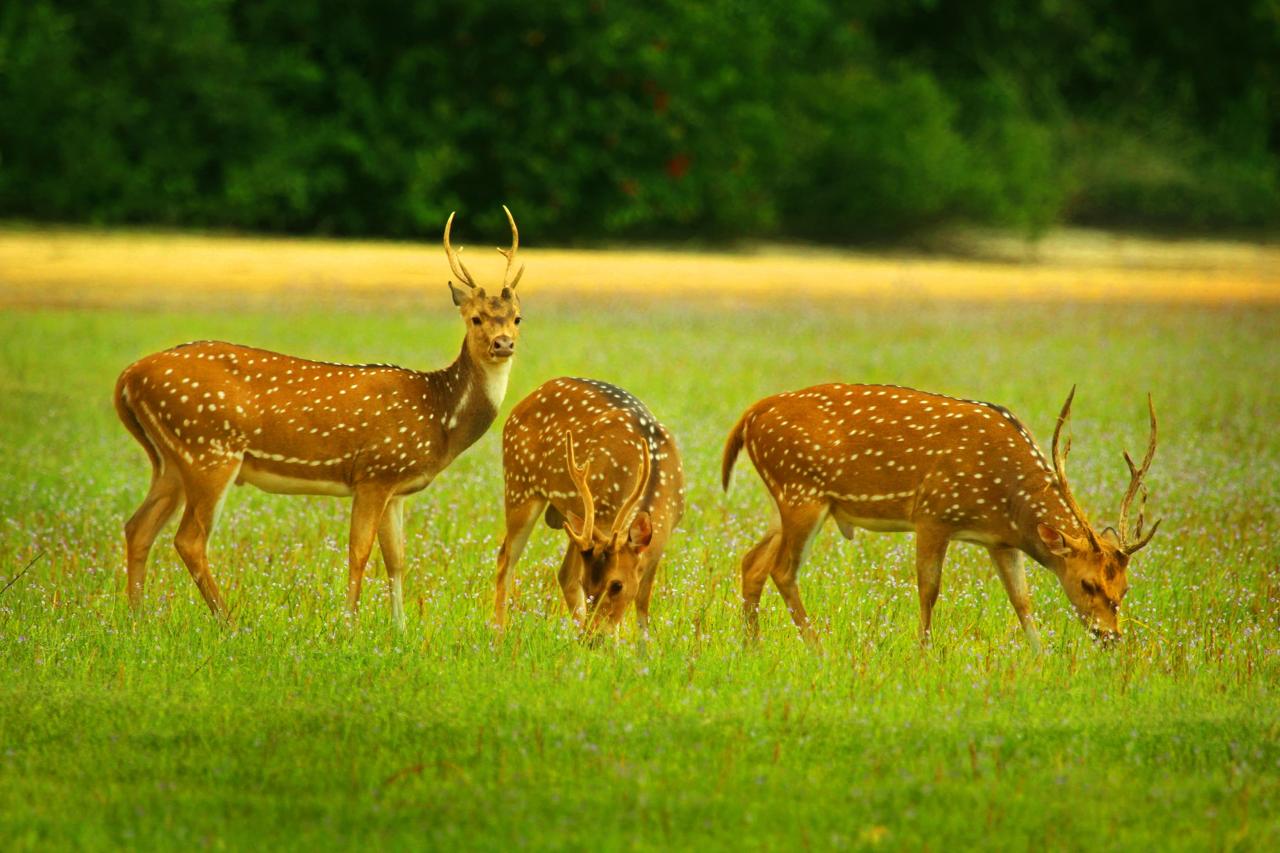
Deer of the dry zone: spotted, sambar and the leopard's calendar
The two main deer of Yala are not just background scenery — they are the clock the whole park runs on.
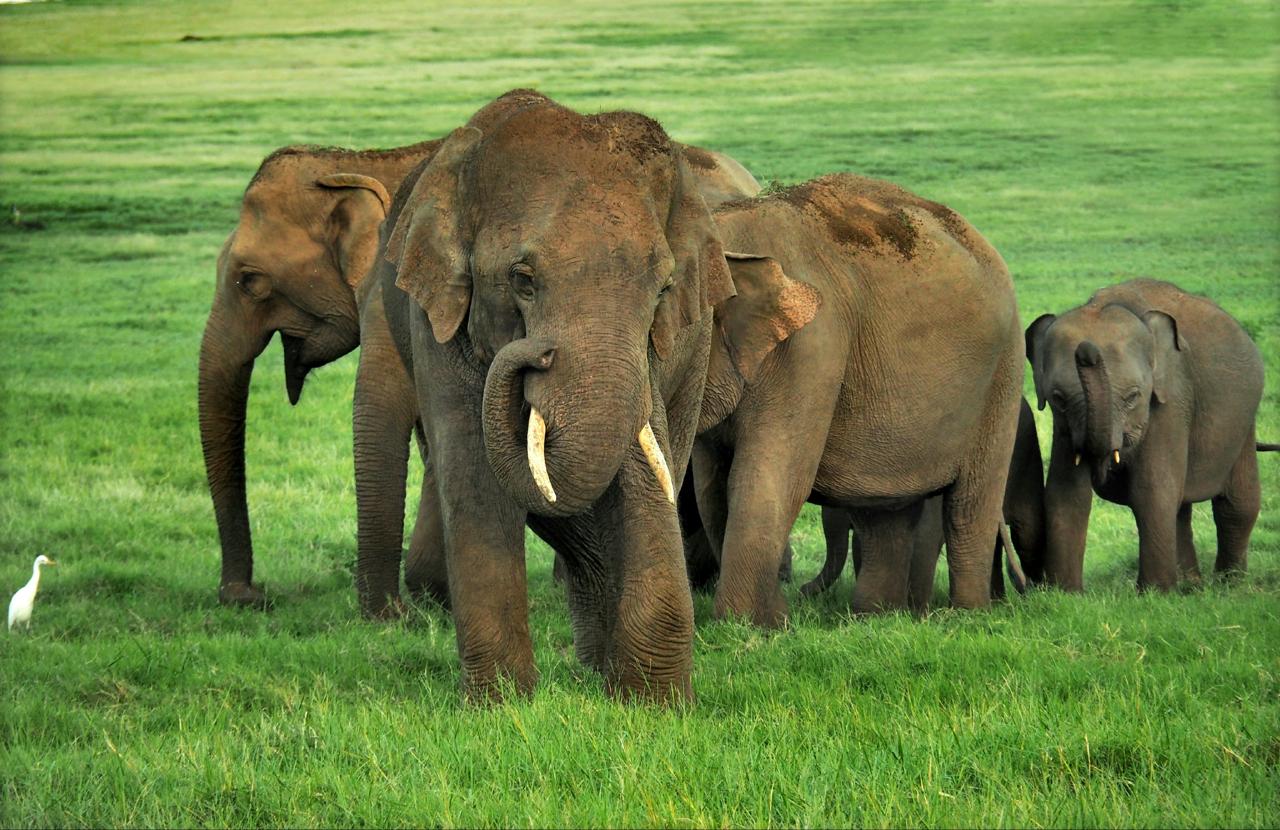
Tuskers of the southern parks: why every sighting matters
Only a handful of Sri Lankan bulls carry true tusks. Meeting one in Yala or Lunugamvehera is a moment to put the camera down.