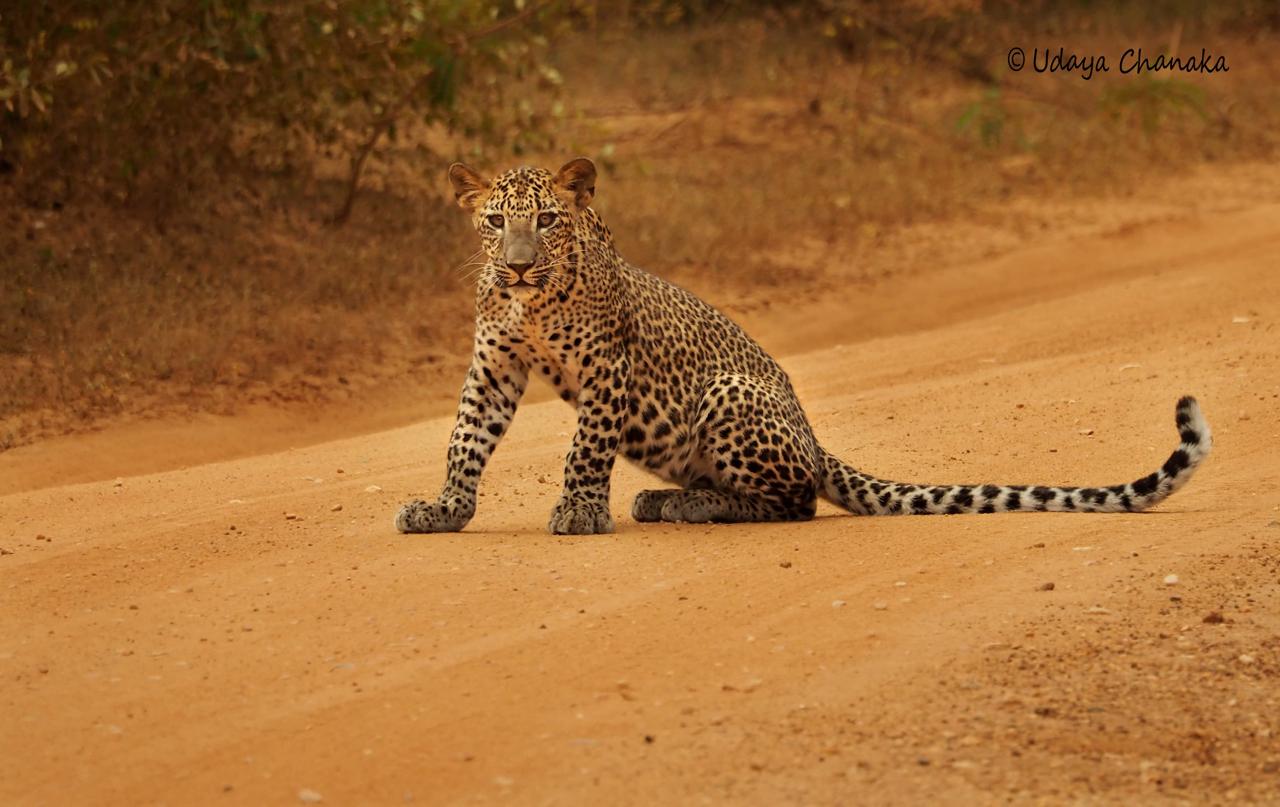
Yala has the densest leopard population on earth. Finding one is still mostly about knowing where to stop the jeep — and then not moving it.
The first thing a good Yala tracker does when you climb into the jeep at half past five in the morning is turn the radio off. Not the engine — the radio. The chatter of twenty other drivers calling in sightings is a tempting drug. Follow it and you will end up in a queue of jeeps around a leopard that has already had enough of being looked at.
Our approach is older and slower. We know where a particular female has her cubs this season. We know which water hole the big block-one male has been using in the dry weeks. We park, we kill the engine, and we wait. Yala does the rest.
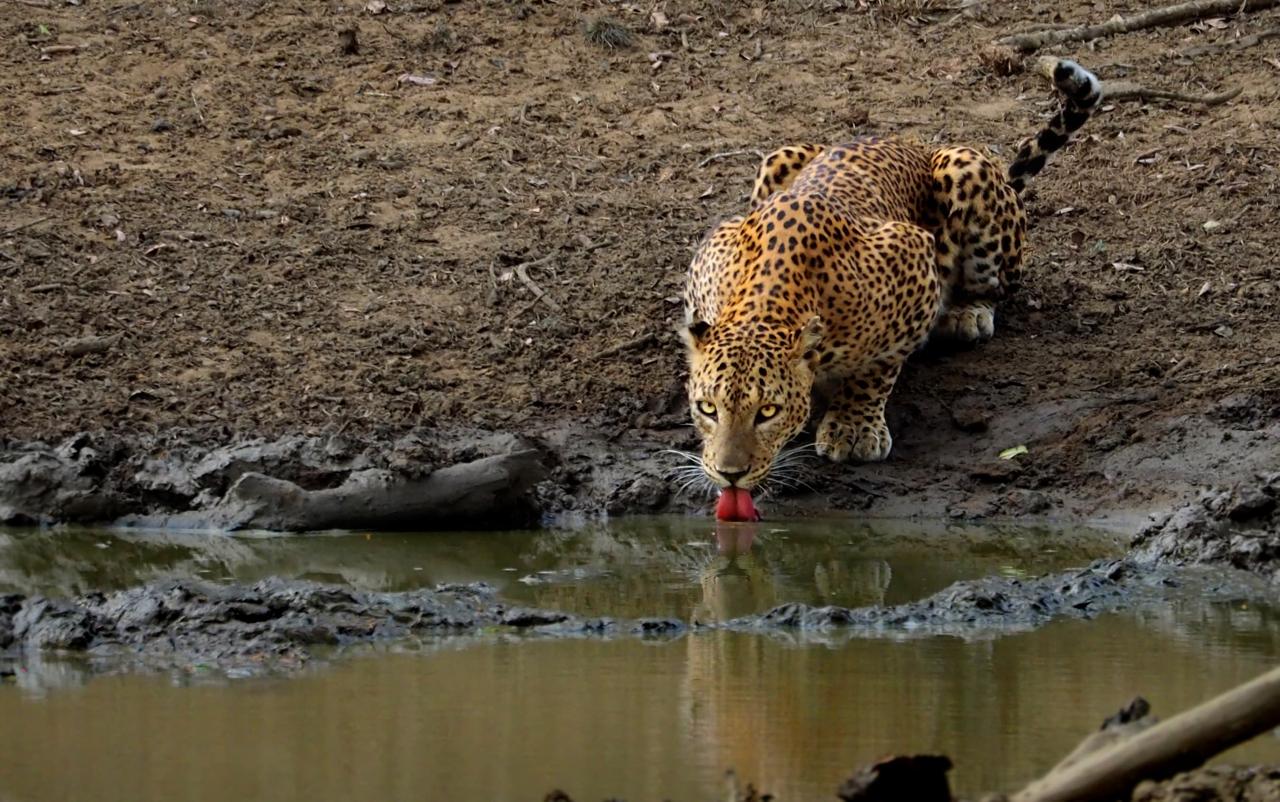
Why sitting beats chasing
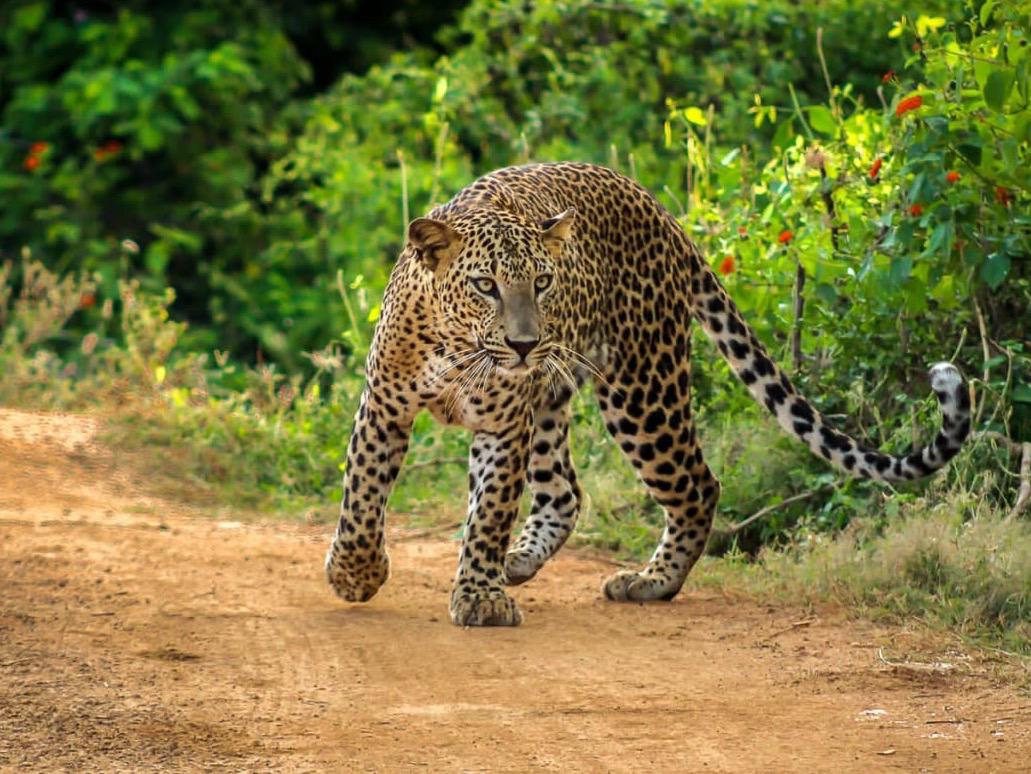
Sri Lankan leopards are not nervous animals. There are no tigers here, no lions, no large competitor. The leopard sits at the top of the food chain in confident, unhurried isolation. Which means when you do find one, it usually does not run. It looks at you, decides you are not interesting, and gets on with its morning.
Chasing radio calls means you arrive twelve minutes late at every sighting and see the back end of a cat disappearing into the scrub. Sitting at a known crossing means the cat walks past you at eight metres. The camera barely matters. You will remember the eye contact for years.
Reading the warning signs
Long before you see the cat you can hear it. Spotted deer give a sharp, repeated alarm bark. Grey langurs cough from the canopy. Peafowl scream and clatter up to a branch. Once you learn to read these signals, half the sightings come to you. The animals know exactly where the leopard is, and they are happy to tell anyone who will listen.
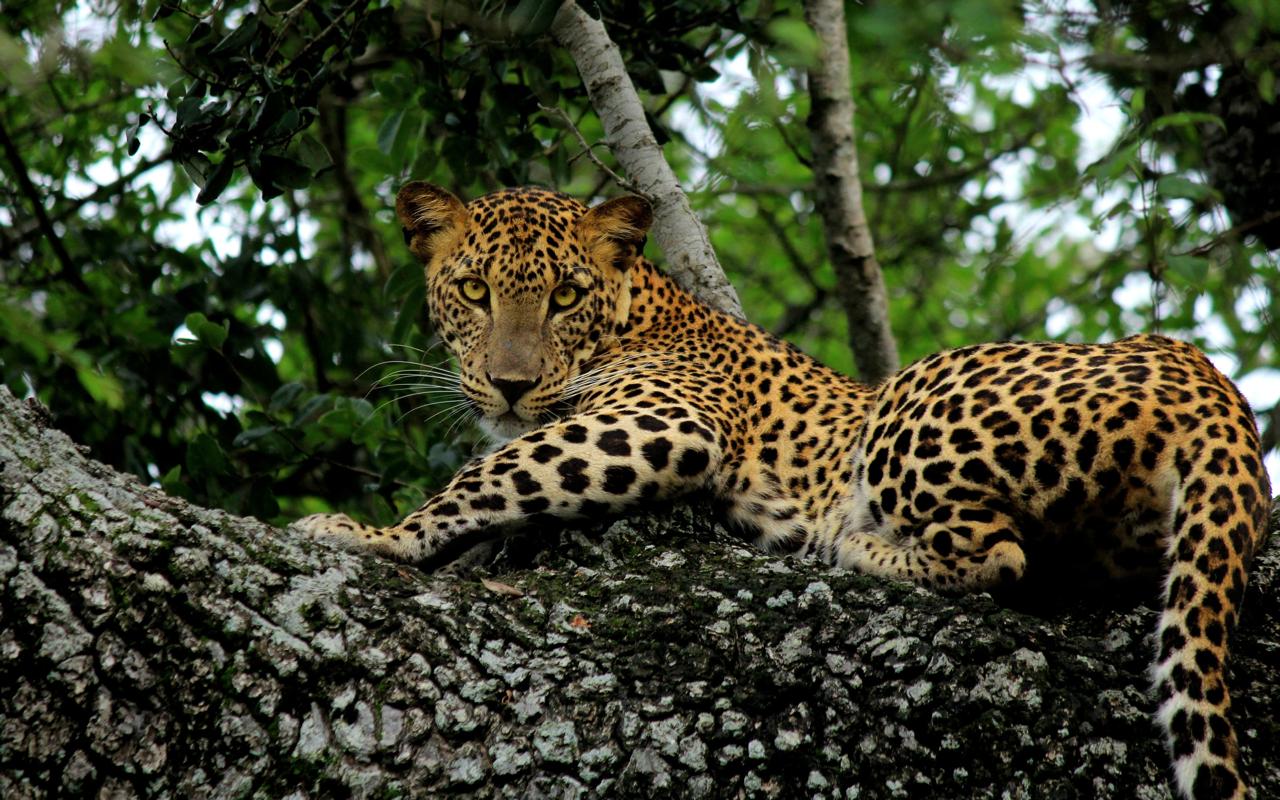
Mid-morning, when the heat starts to build, the leopards climb. They drape themselves over a horizontal kumbuk branch or a fork in a palu tree and sleep with one eye open. A treed leopard is a gift — calm light, no jeeps fighting for angles, all the time in the world to enjoy the animal you came to see.
We do not chase. We position. The cats are not running from us — they are simply living their morning, and we are quietly invited.
By eleven we are usually heading out for breakfast at the gate, a little dusty, a little sunburnt, and slightly changed by what we have seen. A good leopard morning in Yala is not a wildlife encounter. It is a small religious experience.